
Localization is more than translation: lessons from the market stall
Names, prices, pack sizes and payment methods all carry local meaning. Getting them right is a competitive advantage.
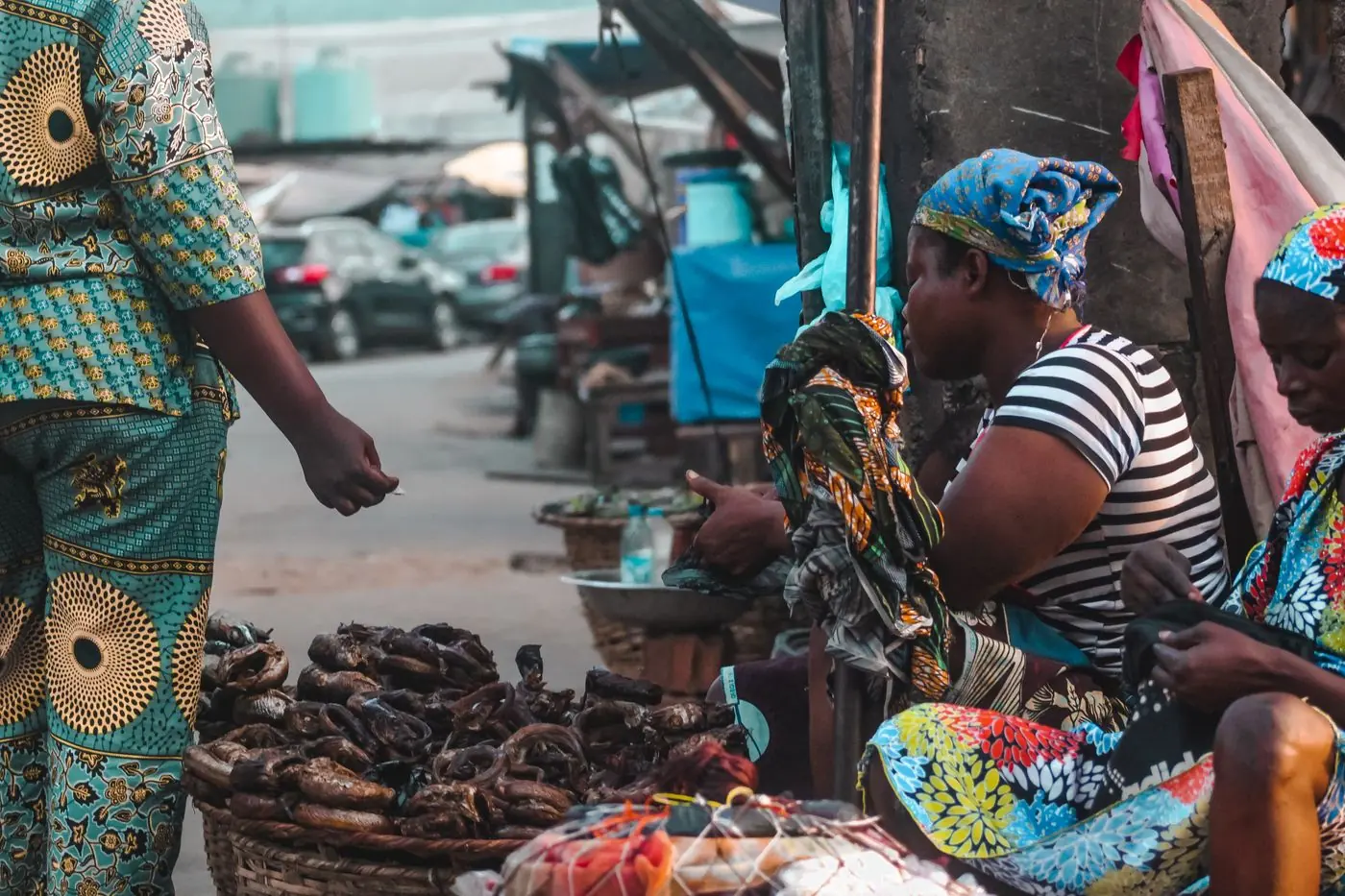
When a company says it has “localized,” it often means the website is translated. Customers experience localization far earlier: in the name of the product, the size of the pack, how the price is expressed and how they are allowed to pay.
Names and messages travel badly
A product name that works in Helsinki or Berlin can mean something unfortunate, or nothing at all, in another language. Check names and slogans with local speakers before printing anything. Better still, test several versions with real customers.
Price like a local
Purchasing patterns differ. Many customers buy small quantities more often, so a smaller pack at an accessible price can outperform a bulk offer. Where income is irregular, flexible payment options can matter more than the headline price.
Make payment easy
- Support the payment methods customers already use, including mobile money where relevant.
- Show prices in local currency and be transparent about fees.
- Keep checkout steps short on low-bandwidth mobile connections.
Look at how trade actually happens
Spend a day at a local market or retail strip before finalizing your go-to-market plan. You will see how goods are displayed, how bargaining works, who the trusted intermediaries are and which brands already have a place in daily life.
Translation changes the words. Localization changes the decision.
Local teams and partners are the fastest route to this knowledge. Involve them in naming, packaging and pricing early, not as a final review step.